


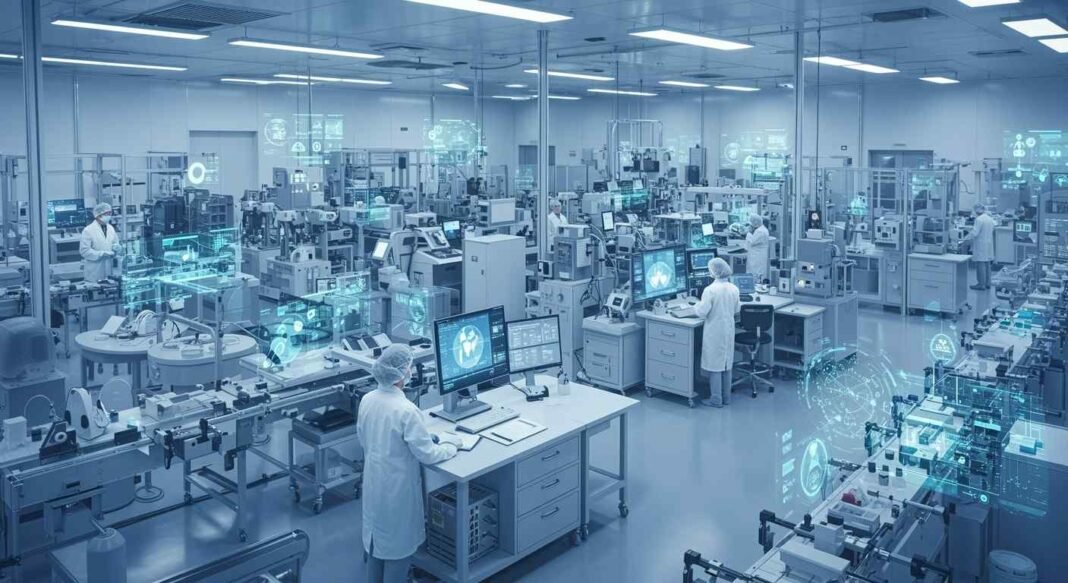

A single batch failure in a vaccine production line or a software glitch in a robotic surgical arm represents more than just a financial loss; it is a direct threat to human life. In an era where precision is the only acceptable standard, the intersection of life sciences and information technology has moved from the periphery to the very core of operational strategy. For global healthcare leaders navigating the complexities of 2026, securing a partnership for Pharmaceuticals & Medical Devices Technology Solutions and Services is the definitive step toward ensuring total regulatory compliance and patient safety. By moving beyond legacy systems and adopting high-tenacity digital frameworks, manufacturers can transform their supply chains from reactive networks into predictive, life-saving assets.
The Architecture of GxP-Compliant Digital Ecosystems
The primary challenge in the life sciences sector is maintaining the “Golden Thread” of data integrity from the laboratory to the bedside. Every milligram of a chemical compound and every line of code in a wearable heart monitor must be documented within a validated environment. Modern digital solutions prioritize “Quality by Design” (QbD), ensuring that risk mitigation is baked into the software architecture rather than added as an afterthought. This structural rigor allows firms to automate their documentation processes, significantly reducing the human error associated with manual record-keeping.
When a production environment is digitally synchronized, the ROI is immediate. Real-time monitoring of ambient conditions—such as temperature and humidity—ensures that sensitive biological products remain within their stability profiles. This technical foresight, powered by Pharmaceuticals Devices Technology Services, allows for “Batch Release by Exception,” where the system flags only the deviations, allowing quality assurance teams to focus their energy on high-value problem solving rather than tedious data reviews.
Strategic Resilience through AI and Automation
The shift toward personalized medicine and small-batch production has rendered traditional “mass-market” manufacturing obsolete. Today’s facilities must be agile enough to pivot between different product lines without compromising on sterilization or calibration standards. According to Entrepreneur, the ability to integrate advanced automation with real-time data analytics is the primary differentiator for companies looking to dominate high-growth healthcare markets. This agility is built on a foundation of “Digital Twins”—virtual replicas of physical production lines that allow engineers to simulate changes before they are implemented on the factory floor.
- Cloud-Based Vigilance: Utilizing secure cloud environments to manage global clinical trial data in real-time.
- Predictive Maintenance: Using IoT sensors to identify mechanical wear in centrifuges or pill-presses before a breakdown occurs.
- Blockchain Traceability: Creating an immutable record of the drug’s journey to combat the global counterfeit medication market.
- Edge Computing: Processing data from medical devices locally to ensure instant feedback for critical care patients.
The Human-Machine Synthesis in Clinical Excellence
Despite the power of the algorithm, the “human element” remains the final filter for medical ethics and clinical judgment. The most successful technology models are those that follow the “Augmented Intelligence” philosophy. This ensures that while the heavy lifting of data processing and pattern recognition is handled by the machine, the creative direction and patient-centric decisions are set by seasoned medical professionals. This synthesis prevents the “black box” effect in medical AI and ensures that technology remains a supportive tool rather than a replacement for human empathy.
Trust in the healthcare sector is built through transparency and consistency. When a company can prove that its technical infrastructure is secure and its data usage is ethical, it gains a significant advantage in both regulatory approvals and public perception. Professional technology services allow for the rapid auditing of these trust signals, ensuring that the brand’s reputation remains pristine across international borders and diverse regulatory jurisdictions like the FDA, EMA, and CDSCO.
Medical Devices Technology Services
The future of global wellness is being built on a foundation of technical precision and algorithmic integrity. To remain resilient in an era of rapid scientific disruption, your procurement strategy must prioritize the integration of advanced digital solutions. By professionalizing your technical department and choosing established experts for your operational needs, you reclaim your focus and gain the stability needed to scale your operations with total confidence. The clarity and reliability provided by premium environmental and medical engineering are the hallmarks of a market leader. Don’t let administrative friction or outdated legacy systems compromise your brand’s reputation or patient outcomes. Invest in the precision of high-tenacity intelligence today and ensure that your enterprise remains a reliable, market-leading pillar of the global healthcare future.