


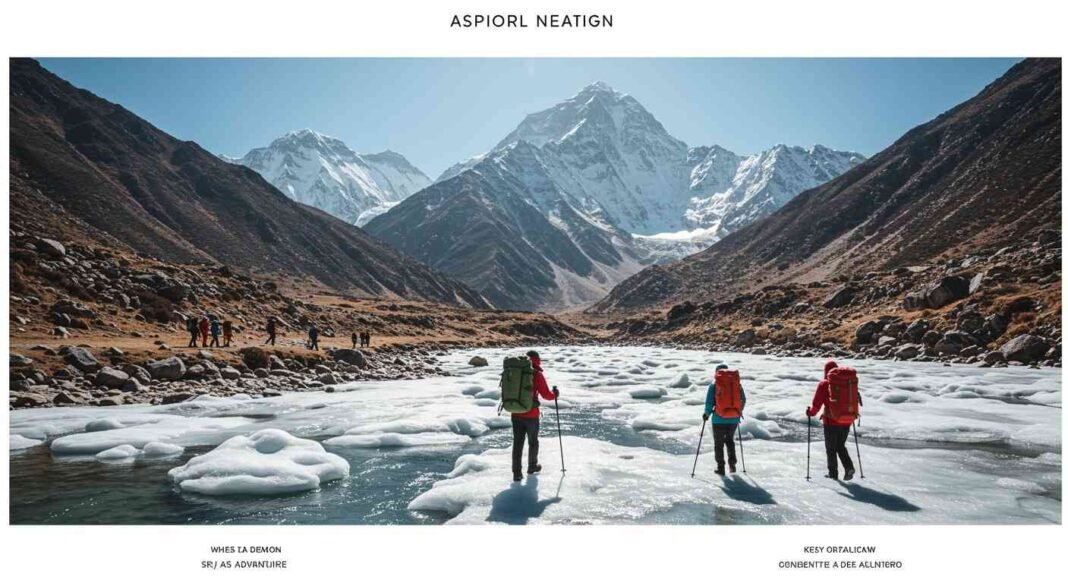

The thin, crisp air of the Himalayas doesn’t just fill your lungs; it awakens a primal sense of wonder that only the high-altitude deserts of Ladakh can provide. As the sun strikes the jagged peaks of the Zanskar Range, the landscape transforms into a palette of ochre, purple, and gold. For those seeking a profound connection with nature, the Markha Valley Trek stands as the quintessential Ladakhi experience. It is a journey that bridges the gap between physical endurance and spiritual serenity, leading adventurers through ancient silk route villages and over formidable mountain passes. Unlike more commercialized routes, this trek preserves an authentic Himalayan soul that rewards every steep climb with unparalleled vistas.
The Allure of Trekking in the Land of High Passes
Ladakh is often referred to as “Little Tibet,” and for good reason. The region’s unique topography and deeply rooted Buddhist culture create an atmosphere that feels separate from the rest of the world. Trekking here is not merely a sport; it is an immersion into a lifestyle that has remained unchanged for centuries. The trails are dotted with white-washed stupas, fluttering prayer flags, and mani walls carved with ancient chants.
When you embark on a journey through these valleys, you are following in the footsteps of traders and monks. The geological formations tell a story of millions of years, with folded rock layers visible in the canyon walls. It is a place where the silence is so profound that you can hear the beating of your own heart, interrupted only by the occasional whistle of a marmot or the distant chime of donkey bells.
Master the Trails: Why Choose the Markha Valley Trek
The Markha Valley remains the most popular trekking route in the region because it offers a perfect cross-section of Ladakhi life. It strikes a balance between challenging high-altitude terrain and the comforting hospitality of “parachute cafes” and homestays.
Key Highlights of the Markha Circuit
- Hemis National Park: This trek takes you through the heart of the park, which is a sanctuary for the elusive snow leopard and the Tibetan wolf.
- Kongmaru La Pass: Reaching an altitude of approximately 5,200 meters, this pass offers a panoramic view of the Kang Yatse peaks and the Karakoram range.
- Cultural Immersion: Staying in local homestays allows trekkers to experience authentic Ladakhi cuisine, such as skyu and butter tea, while supporting the local economy.
Transitioning from Summer Trails to the Frozen River Adventure
While the summer months belong to the greenery of the valleys, the winter transforms Ladakh into a surreal crystalline world. For the truly adventurous, the transition from the arid trails of the Markha Valley leads to the legendary Chadar Trek. This is not a mountain hike, but a walk across the frozen Zanskar River. It is a test of mental fortitude where the “trail” beneath your feet is a shifting sheet of ice, shimmering in shades of turquoise and deep blue.
According to travel industry insights from Forbes, the demand for “extreme experiential travel” has surged, making treks like the frozen river walk a top bucket-list item for global adventurers. Walking on the Chadar (the frozen blanket) requires a different set of skills—patience, balance, and a deep respect for the elements. It is an extraordinary way to witness the sheer power of an Arctic-like winter in the heart of India.
Understanding the Chadar Trek Experience
1. The Shifting Ice Formations
The ice on the Zanskar River is never static. It breaks, refreezes, and shifts with the current. Trekkers must learn to read the ice, identifying where it is thick enough to support weight and where the water flows dangerously close to the surface.
2. Cave Camping and Ancient Traditions
During the winter, the Zanskari people traditionally used the frozen river as their only connection to Leh. Trekkers often stay in caves or tents along the banks, experiencing the same conditions that locals have navigated for generations.
3. Breathtaking Frozen Waterfalls
One of the most iconic sights on the frozen river is the massive Nerak waterfall, which freezes into a vertical wall of blue ice. It stands as a silent monument to the sub-zero temperatures that define a Ladakhi winter.
Physical Preparation and Acclimatization Strategies
Trekking in Ladakh is a serious undertaking that requires respect for the altitude. Whether you are aiming for the Chadar Trek or the high passes of the Markha Valley, your body needs time to adjust to the lower oxygen levels. The golden rule of the Himalayas is to “climb high, sleep low” and to stay hydrated.
Essential Training Tips
- Cardiovascular Endurance: Focus on long-distance walking, cycling, or swimming at least three months before your trip.
- Leg Strength: Squats and lunges will prepare your muscles for the steep descents that can often be harder on the body than the climbs.
- Mental Resilience: High-altitude trekking is as much a mental game as a physical one. Practicing mindfulness and breathing techniques can help you stay calm during the more challenging segments of the trail.
Sustainable Trekking and Environmental Responsibility
The ecosystem of Ladakh is extremely fragile. With the increasing number of trekkers, the “Leave No Trace” policy has become more important than ever. Responsible trekking companies are now focusing on minimizing plastic waste and ensuring that all non-biodegradable items are carried back to Leh for proper disposal.
Supporting the local community is another pillar of sustainable travel. By choosing local guides and staying in homestays rather than large commercial camps, you ensure that the benefits of tourism reach the people who have preserved these trails for centuries. This symbiotic relationship ensures that the beauty of the Chadar Trek and the Markha Valley remains intact for future generations of explorers.
Packing Essentials for the High Himalayas
Your gear can make or break your Himalayan experience. In Ladakh, the weather can change from scorching sun to freezing winds in a matter of minutes. Layering is the key to staying comfortable.
Gear Recommendation List
- Footwear: Broken-in waterproof trekking boots for summer; specialized gumboots for the frozen river.
- Clothing: Moisture-wicking base layers, a warm fleece, and a high-quality down jacket capable of withstanding -30°C for winter treks.
- Protection: High-SPF sunscreen and polarized sunglasses are non-negotiable due to the intense UV radiation at high altitudes.
Answer the Call of the Mountains
The mountains of Ladakh offer more than just a physical challenge; they offer a perspective shift. Whether you choose the golden trails of the Markha Valley Trek or the icy challenge of the frozen river, you will return with stories that defy words. These landscapes demand effort, but they repay the traveler with a sense of accomplishment and a quietness of mind that is impossible to find in the city.
Now is the time to plan your escape to the high desert. Trust in the expertise of seasoned guides and the resilience of your own spirit. Ladakh is waiting to show you its secrets—from the hidden monasteries to the frozen waterfalls. Take the first step, embrace the thin air, and let the Himalayas transform you. Your adventure of a lifetime is just a trek away.