


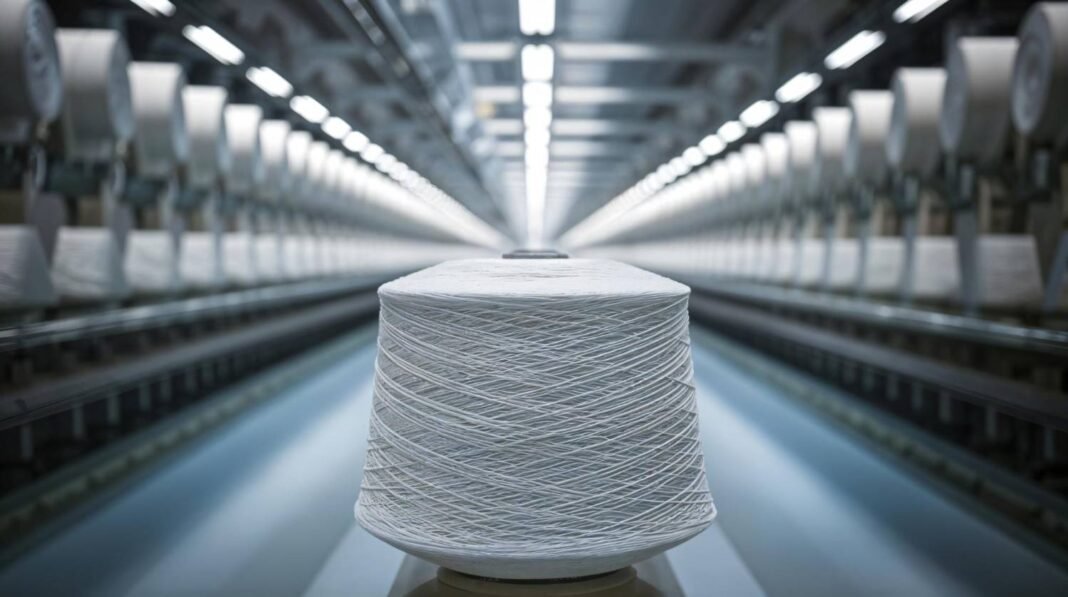

Modern industrial engineering relies heavily on material science breakthroughs to maximize operational efficiency, improve structural durability, and reduce long-term equipment maintenance costs. While standard multi-strand threads continue to serve general apparel needs, severe technical environments require a fundamentally different fiber architecture. Synthetic single-strand polymers deliver exact dimensional stability, superior chemical inertia, and predictable tensile performance across demanding commercial applications. To meet exact engineering tolerances across global supply chains, leading industrial enterprises team up with established monofilament yarn manufacturers to engineer customized polymer filaments built for extreme physical stress, severe thermal exposure, and persistent wear.
Decoding the Technical Advantages of Single-Strand Filaments
Unlike conventional spun or multifilament yarns that consist of dozens of bundled fibers twisted together, a monofilament fiber is extruded as a single, continuous, solid polymer strand. This unique physical structure eliminates inner air pockets, prevents fiber fraying, and delivers exceptional resistance against mechanical friction.
Core Physical and Chemical Properties
Choosing monofilament polymer strands over traditional blended yarns provides distinct performance advantages in demanding industrial environments:
Uniform Pore Geometry and Fluid Control
Single-strand synthetic yarns maintain strict diameter consistency along their entire length. When woven into technical filter screens, they form uniform mesh openings that deliver precise particle separation without trapping debris or causing flow bottlenecks.
Exceptional Hydrophobic and Chemical Resilience
Advanced synthetic polymers—including Nylon, Polyester, Polypropylene, and Polyethylene—naturally resist moisture absorption, industrial solvents, oils, and harsh cleaning chemicals. This inherent resistance prevents fiber rot, swelling, and chemical degradation.
Superior Surface Smoothness and Friction Control
The smooth, non-porous outer surface of a single filament minimizes surface friction, making it the ideal material choice for industrial conveyor screens, paper machine clothing, high-speed sewing threads, and abrasive brush bristles.
Crucial Industrial Applications Driven by Specialized Monofilament Yarns
From heavy manufacturing and industrial filtration to agricultural protection and oral care, single-strand synthetic polymers serve as critical components in thousands of essential products. Partnering directly with experienced monofilament yarn manufacturers enables specialized business buyers to source custom polymer formulations tailored precisely to their operational requirements.
Key Sectors Utilizing High-Performance Monofilament
Different industries leverage specific polymer profiles to achieve target performance goals:
Precision Liquid and Air Filtration
Chemical processing plants, municipal water treatment facilities, and automotive systems rely on monofilament filter fabrics to capture sub-micron particulates while maintaining high flow rates under heavy pressure.
Modern Agriculture and Horticultural Protection
In agricultural shade nets, anti-hail barriers, and insect-proof greenhouse mesh, UV-stabilized monofilament strands endure years of direct sunlight exposure without losing structural integrity or tensile strength.
Medical Devices and Oral Care Hygiene
Medical-grade nylon and biocomponent monofilaments power surgical sutures, diagnostic mesh, interdental cleaners, and premium toothbrush bristles that demand gentle flexibility paired with strict hygienic standards.
Automotive Components and Technical Textiles
Automotive OEMs utilize braided monofilament sleeves to protect electrical wiring harnesses from extreme engine heat, continuous mechanical vibration, and accidental road debris damage.
Strategic Value of Custom Polymer Selection
According to manufacturing supply chain insights published by HubSpot, industrial B2B companies that optimize component sourcing and align directly with specialized material producers improve product durability by up to 35% while streamlining raw material costs. Working with a dedicated monofilament extrusion partner allows engineering teams to select exact polymer compositions that meet precise operational conditions:
Nylon Monofilament (PA6 / PA66)
Renowned for its high tensile strength, outstanding elasticity, and superior resistance to friction and mechanical wear. It serves as the primary material for heavy-duty fishing lines, industrial cleaning brushes, and high-stress automotive sleeves.
Polyester Monofilament (PET)
Delivers exceptional thermal stability, UV radiation resistance, low moisture absorption, and minimal stretch under continuous tension. It is widely specified for screen printing mesh, paper production fabrics, and outdoor agricultural shade netting.
Polypropylene and Polyethylene (PP / PE)
Lightweight, highly chemical-resistant, and completely non-toxic. These polymers provide budget-friendly performance in concrete reinforcement fibers, specialized packaging nets, and liquid filtration units.
Quality Verification Benchmarks for Procurement Leaders
Sourcing high-caliber synthetic filaments requires evaluating manufacturing capabilities beyond basic pricing metrics. Establishing strict quality verification protocols protects downstream production lines from costly material failures.
Key Factors to Evaluate in an Extrusion Partner
Procurement officers should verify these critical technical parameters before placing bulk orders:
Strict Diameter Tolerance and Roundness
Advanced laser-controlled extrusion technology ensures consistent fiber diameter across millions of meters, preventing structural weak points in woven fabrics.
Custom Additive Integration
Leading polymer specialists offer custom additive blends, incorporating UV stabilizers, anti-static agents, flame retardants, and thermal conductors directly into the polymer matrix during extrusion.
Batch-to-Batch Tensile Testing
Rigorous NABL laboratory testing verifies breaking strength, elongation percentages, and thermal shrinkage rates across every manufacturing lot.
Driving Industrial Innovation with Engineered Filaments
As global manufacturing standards shift toward higher energy efficiency, strict environmental regulations, and lightweight structural components, selecting high-performance synthetic fibers becomes a vital business strategy.
By partnering with the technical polymer specialists at Shanthi Industries, your production facility secures reliable access to high-tensile, custom-engineered synthetic filaments that elevate product durability and optimize manufacturing efficiency. Connect with a senior technical specialist today to request material samples, discuss custom polymer specifications, and streamline your industrial raw material supply chain.