


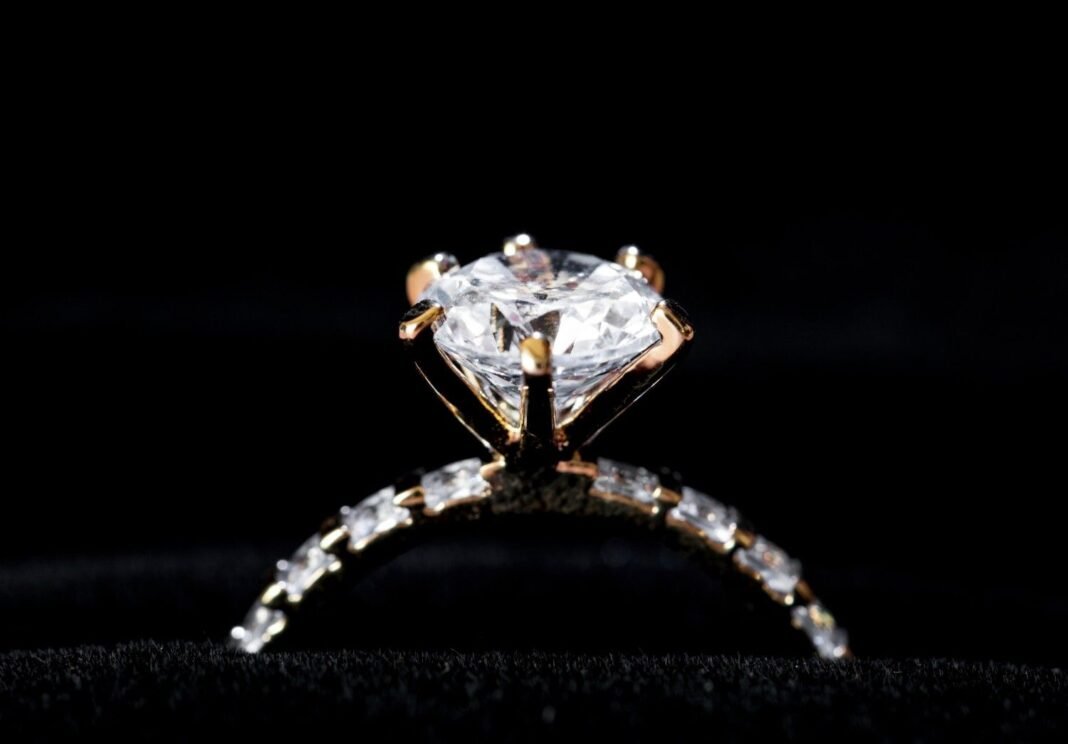

A well-made gold ring is meant to last for decades, but like any precious piece, it benefits from a little regular care. Simple daily habits can go a long way toward keeping gold jewellery looking as brilliant as the day it was purchased.
One of the easiest habits to adopt is removing rings before activities that expose them to harsh chemicals. Cleaning products, chlorine, and even certain lotions can dull gold’s natural shine over time. Taking a ring off before washing dishes or applying skincare products helps preserve its finish.
Storage matters more than most people realize. Gold rings should be kept separately from other jewellery pieces to avoid scratches, ideally in a soft pouch or a lined jewellery box. Storing rings loosely in a drawer alongside other metal pieces is one of the most common causes of surface scratching.
Regular gentle cleaning at home can also help maintain shine between professional cleanings. A soft cloth and lukewarm water with a small amount of mild soap is usually enough to remove everyday buildup without damaging the metal or any set stones.
For rings that include gemstones, it’s worth understanding that different stones require different levels of care. While gold itself is fairly resilient, softer stones may need more careful handling. Consulting with a jeweller about specific care instructions for a particular piece is always a good idea.
Beyond the practical side of care, a gold ring often carries meaning that goes beyond its material value, whether marking a personal milestone or reflecting a piece of fine jewellery passed down through a family. Taking the time to care for it properly helps ensure it remains as meaningful in the years ahead as it was on the day it was first worn.
Seasonal changes can also affect how a ring should be cared for. During warmer months, increased exposure to sweat, sunscreen, and humidity can leave behind a film that dulls shine more quickly than usual, making slightly more frequent cleaning worthwhile. In colder months, dry skin and heavier moisturizer use can have a similar, if less obvious, effect on a ring’s appearance over time.
It’s also worth paying attention to how a ring is put on and removed. Twisting a ring forcefully over knuckles, especially when hands are slightly swollen or dry, can gradually loosen prongs or stress the band over time. Removing rings gently, ideally after applying a small amount of lotion or soap and water to ease the process, helps protect the setting from unnecessary wear.
Periodic professional inspection is another habit worth building into a regular care routine, even when a ring looks perfectly fine on the surface. A jeweller can check prong tightness, look for early signs of metal fatigue, and catch small issues long before they become costly repairs, extending the practical lifespan of the piece considerably.
With just a few consistent habits, a gold ring can retain its brilliance for a lifetime, continuing to serve as both a beautiful accessory and a lasting keepsake.
Understanding the metal alloy used in a particular ring can also help set realistic care expectations from the start. Rings made with a higher gold purity tend to be softer and more prone to surface marks, while those with a slightly lower purity, blended with more durable alloy metals, generally hold up better under frequent daily wear, making this a useful conversation to have with a jeweller before purchase rather than after noticing early signs of wear.
Travel is another situation where a little extra care goes a long way. Packing rings in a padded travel case rather than loose in a bag helps prevent scratching against other items, and removing jewellery before swimming, whether in a pool or the sea, avoids exposure to chlorine and salt that can affect both the metal and any set stones over time.