


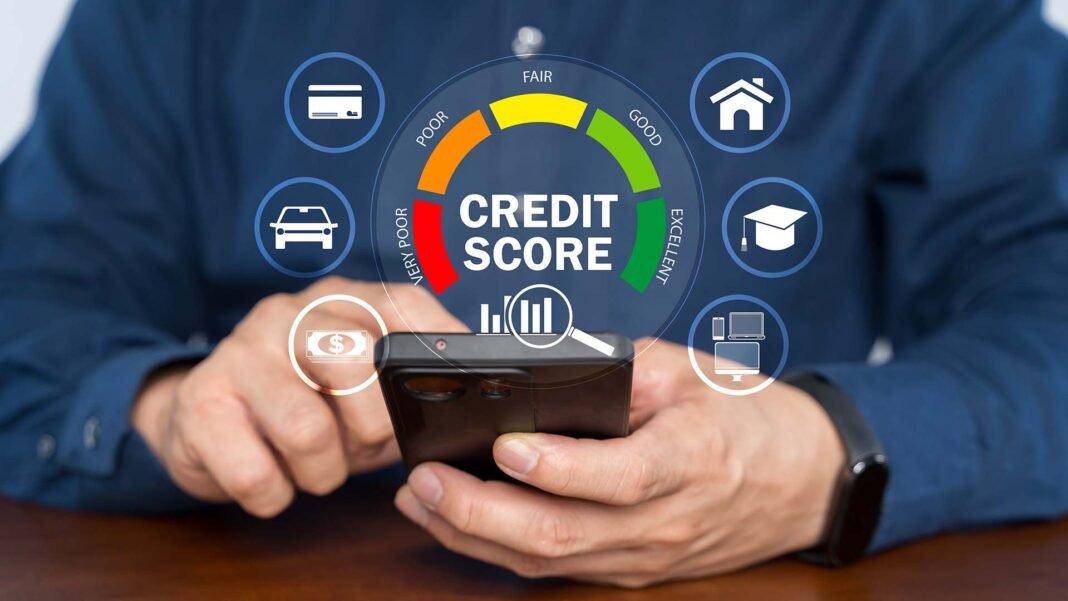

A strong credit score can make borrowing easier, but improving it usually requires patience and consistent financial habits. Whether you are planning to apply for a home loan, personal loan, credit card, or another form of credit, your credit history can influence how lenders assess your application. Learning How to Improve Credit Score can therefore be an important part of managing your finances responsibly.
A credit score is not something that normally changes overnight. It reflects your credit behaviour over time, including repayment patterns, outstanding balances, and the way you manage different credit accounts.
Understand Your Credit Report First
Before trying to improve a credit score, it is important to understand what is currently affecting it. Checking your credit report can help identify active accounts, repayment history, outstanding balances, and enquiries recorded against your profile.
Look carefully for information that does not appear to belong to you. Incorrect account details or repayment records can potentially affect your credit profile and may need to be disputed with the relevant credit bureau or lender.
Reviewing your report regularly also gives you a clearer picture of your financial position.
Pay EMIs and Bills on Time
Payment history is an important part of responsible credit management. Missing or delaying loan EMIs and credit card payments can negatively affect your credit profile.
Setting reminders or using automatic payment facilities can help reduce the possibility of forgetting a due date. If you have several accounts, maintaining a simple list of payment dates can make monthly financial planning easier.
Consistent repayment behaviour over time can help demonstrate that you manage borrowed money responsibly.
Keep Credit Card Balances Under Control
Using a credit card does not automatically improve your credit profile. How you manage the card is more important.
Try to avoid allowing balances to grow beyond what you can comfortably repay. High outstanding balances can indicate that you are relying heavily on available credit.
If you are researching How Increase Cibil Score strategies, managing credit card utilisation responsibly should be part of your overall approach. Paying more than the minimum amount, where financially possible, can also help reduce outstanding debt faster.
Avoid Unnecessary Loan Applications
Every time you apply for certain types of credit, a lender may make an enquiry into your credit profile. Multiple applications within a short period can make your credit activity appear more aggressive.
This does not mean you should never apply for credit. Instead, compare suitable products first and apply only when there is a genuine requirement.
A thoughtful approach to borrowing can help you avoid taking on unnecessary debt while keeping your credit profile more manageable.
Deal With Outstanding Debt Systematically
Existing debt should be handled with a clear repayment plan. Start by listing your outstanding balances, interest rates, minimum payments, and due dates.
You can then decide how much additional money can realistically be allocated toward repayment each month. Avoid making promises that do not fit your income and expenses.
If debt has become difficult to manage, speaking with a qualified financial professional may help you understand the available options.
When Credit Repair Services May Help
Some people discover inaccurate information, unresolved disputes, or complicated entries while reviewing their credit reports. In such situations, professional assistance may be useful.
A reputable Cibil repair Agency can help consumers understand their credit reports and identify areas that may require attention. However, consumers should be cautious of any service that promises an instant or guaranteed increase in credit score.
Legitimate credit improvement generally involves reviewing accurate information, correcting genuine errors, and developing better repayment habits.
Be Careful When Choosing Credit Assistance
Not every company offering credit-related assistance provides the same service. Before hiring a provider, check what it actually does, what fees apply, and whether the service makes realistic claims.
Consumers should be particularly cautious about companies that promise to remove accurate negative information or guarantee a specific score within a very short period.
A trustworthy provider should explain the process clearly and avoid unrealistic promises.
Build Better Financial Habits
Improving credit is not only about correcting problems. It is also about developing habits that support long-term financial stability.
Creating a monthly budget can help you understand where your money goes. Maintaining an emergency fund can reduce the need to rely on credit when unexpected expenses occur.
It can also be helpful to review existing loans periodically and understand their repayment schedules. Forbes regularly publishes personal finance resources that can help consumers learn more about responsible financial management.
How Long Does Credit Improvement Take?
The time required to improve a credit profile varies from person to person. Someone with a small reporting error may see a change after the information is corrected, while rebuilding a history affected by repeated missed payments can take considerably longer.
There is no universal timeline or guaranteed number of points that a person can gain. Consistency is usually more valuable than attempting quick fixes.
Take Control of Your Credit Profile
Understanding your credit report is the first step toward improving your financial position. Paying bills on time, controlling credit utilisation, limiting unnecessary applications, and managing debt responsibly can all contribute to healthier credit habits.
If you need professional guidance, Credit Repair Services can be explored as an option for understanding credit-related issues and identifying appropriate next steps.
Most importantly, avoid shortcuts and unrealistic promises. A stronger credit profile is generally built through accurate reporting, responsible borrowing, and consistent financial behaviour. Start by reviewing your credit information, identify what needs attention, and create a realistic plan that you can maintain over the long term.