


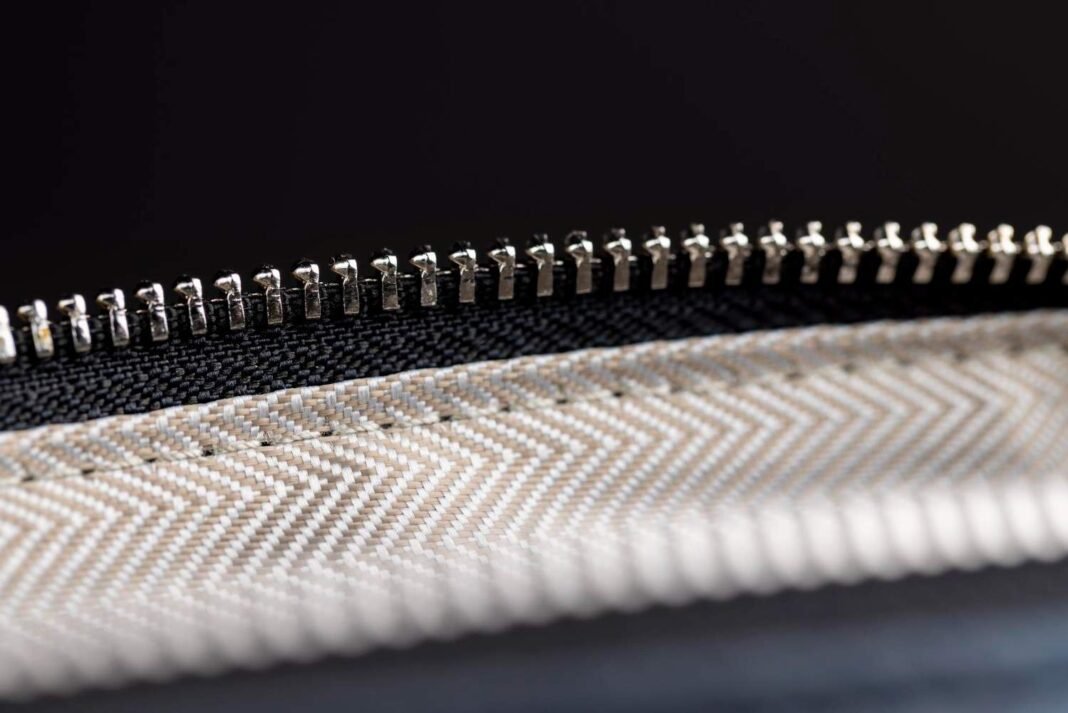

When a high-performance winter jacket, an industrial luggage piece, or a heavy-duty tent door glides shut effortlessly, consumers rarely pause to think about the engineering making that action possible. Yet, behind every smooth zip lies a precise material choice that dictates whether a fastener holds strong under tension or fails unexpectedly. The true workhorse of lightweight, durable coil zippers is high-tenacity polymer extrusion—specifically, Polyester Monofilament For Zipper Teeth. This specialized synthetic strand provides the exact combination of flexibility, tensile strength, and abrasion resistance required to form interlocking continuous spiral coils that survive thousands of open-and-close cycles.
In modern textile engineering, material choice dictates product lifespan. Substituting inferior filaments leads to misaligned teeth, rough sliders, and structural coil deformation. Partnering with dedicated extrusion manufacturers who specialize in high-grade synthetic yarns ensures garment and gear producers maintain strict quality standards, lower factory rejection rates, and protect their brand reputation in competitive global markets.
The Material Science Behind Smooth Fastening Systems
Coil zipper teeth are created through a continuous thermal winding and forming process. Unlike metal or plastic molded teeth attached individually to a tape, coil systems use a continuous spiral strand sewn or woven directly onto the fabric edge.
Producing consistent monofilament requires precise polymer chip selection, controlled melt extrusion, and exact draw ratios. The resulting filament must exhibit uniform diameter tolerance throughout thousands of meters. Any variation in cross-sectional thickness creates uneven tooth pitch during thermal coiling, leading to stiff sliders or total fastener jam.
Core Performance Characteristics of Synthetic Monofilaments
High-volume zipper manufacturers evaluate polymer raw materials against strict mechanical and chemical benchmarks to guarantee performance under demanding real-world conditions.
Tensile Strength and Dimensional Stability
During coiling and sewing, filaments undergo intense mechanical stress. High tensile strength prevents the strand from stretching thin or snapping during high-speed automated assembly, keeping pitch spacing identical across production runs.
Thermal Resilience and Dye Compatibility
Finished zippers undergo heat setting, commercial washing, and high-temperature dyeing processes. Quality polyester monofilament retains its structural integrity and color absorption properties without shrinking or becoming brittle during hot water treatment.
Flexible Fatigue Resistance
A zipper tooth coil flexes every time a garment moves. Advanced Polyester Monofilament For Zipper Teeth exhibits outstanding flexural recovery, allowing individual coil loops to spring back to their original shape after experiencing heavy lateral pull or bending.
Surface Smoothness and Wear Resistance
A smooth filament surface reduces friction as the metal or plastic slider moves over the interlocking coils. Lower friction translates to effortless operation, reduced slider wear, and extended overall garment life.
Strategic Advantages of Sourcing Premium Extruded Filaments
Partnering with specialized yarn extrusion producers provides clear operational benefits for industrial textile manufacturers. A comprehensive manufacturing analysis published by Entrepreneur emphasizes that optimizing raw material consistency directly cuts manufacturing downtime by up to 25%, protecting profit margins and maintaining supply chain reliability.
Sourcing high-grade monofilament delivers key commercial advantages:
- Reduced Factory Scrap Rates: Uniform filament dimensions eliminate snagging and breaking in high-speed automatic coiling machinery, maximizing daily output.
- Consistent Color Consistency: Superior polyester formulations ensure even dye uptake, matching the coil shade perfectly to the surrounding zipper tape.
- Enhanced Product Longevity: High abrasion resistance prevents tooth rounding over years of daily use, ensuring long-term customer satisfaction.
Solving Modern Fastener Production Bottlenecks
Attempting to lower production costs by using unverified, generic monofilament strands often leads to hidden factory expenses. Inconsistent melt flows result in uneven strand diameters, causing machinery jams, broken sewing needles, and mismatched coil pitches that fail quality control checks.
Working with an experienced yarn extrusion manufacturer solves these production challenges. By applying strict diameter monitoring, optimized draw ratios, and high-purity polyester resins, specialist producers supply consistent monofilament spools ready for immediate machine loading. This reliability allows production managers to run high-speed coiling equipment continuously, hit tight delivery windows, and reduce waste.
Technological Evolution in Textile Filament Manufacturing
Synthetic filament extrusion technology continues to adapt to new environmental and industrial performance demands:
- Recycled Polymer Formulations: Leading extruders are introducing post-consumer recycled polyester (rPET) filaments, allowing brands to meet eco-friendly goals without sacrificing tensile strength.
- Automated Laser Gauge Control: Real-time laser measuring tools monitor filament diameter continuously during extrusion, adjusting draw speeds instantly to maintain tight tolerances.
- Advanced UV Stabilizer Additives: Specialized chemical additions shield polyester strands from solar degradation, making them ideal for marine gear, outdoor tents, and automotive upholstery.
Frequently Asked Questions
What diameter range is standard for zipper coil manufacturing?
Monofilament diameters typically range from 0.40 mm for lightweight clothing zippers up to 1.05 mm or thicker for heavy-duty luggage, marine covers, and industrial applications. The exact gauge depends on the target coil size and required lateral pull strength.
Why is polyester preferred over nylon for zipper monofilaments?
Polyester offers superior dimensional stability, lower water absorption, and better UV resistance compared to nylon. Nylon absorbs moisture easily, which can cause the material to swell and alter coil pitch in humid environments.
Can polyester monofilament be dyed along with the zipper tape?
Yes, high-grade polyester monofilament is engineered to withstand standard disperse dyeing temperatures (around 130°C) alongside polyester zipper tapes, ensuring a clean, uniform color match across the entire assembly.
How does filament quality affect automatic sewing operations?
Consistent strand diameter and stiffness ensure smooth feeding through automatic coiling and sewing machines. Inferior filaments with uneven gauges cause tension spikes, skipped stitches, and needle breakage during high-speed sewing.
Is polyester monofilament suitable for outdoor and marine applications?
Yes, when treated with appropriate UV stabilizers, polyester monofilament resists degradation from sunlight, saltwater, and outdoor weathering, making it ideal for marine covers, outdoor gear, and heavy camping equipment.
Upgrade Your Fastener Manufacturing Standards Today
Building reliable, long-lasting fastening systems requires starting with premium raw materials. By choosing engineered monofilament strands manufactured to strict mechanical tolerances, zipper producers ensure smooth sliding action, superior structural durability, and lasting performance.